Sunday Evening Service
Teachers






Lesson Summary
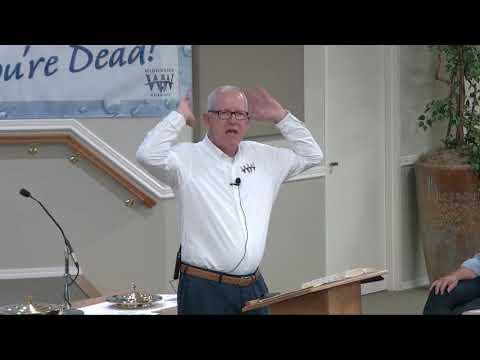
The class began with a casual reflection on the summer heat, which transitioned into a focused lesson on the word “awesome.” The teacher traced the etymology of “awesome,” noting its late entry into English, its absence from the original King James Bible, and its gradual adoption in newer translations such as the NIV, ESV, NKJV, and NLT. He explained that Scripture primarily uses “awesome” to describe God’s magnificent and fear‑inducing nature, particularly in the Old Testament, and warned against the casual, secular usage that diminishes its reverence. Drawing on Charles White’s teaching, the instructor emphasized that certain words—especially “awesome” and “holy”—should be reserved for God alone, reflecting His holiness and the believer’s sanctified identity. He connected this principle to the doctrine of sanctification, reminding the class that holiness is imparted by God through Christ’s sacrifice. The teacher illustrated the impact of God‑focused language by introducing Rich Mullins’ worship song “Awesome God,” encouraging participants to explore its lyrics as a tangible expression of biblical awe. The session concluded with a call to honor God’s greatness in both speech and life.