Lectureship_ The Beauty of Acapella Singing
Teachers
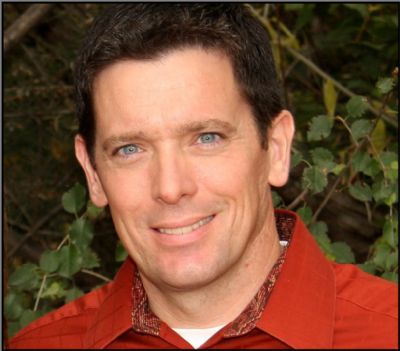


Lesson Summary
Keith Parker led the class by first inviting the participants to join in a familiar VBS song, using the moment to segue into why singing is a central practice in churches of Christ. He explained that worship singing serves three main purposes: glorifying Jesus and God, encouraging and edifying fellow believers, and expressing personal gratitude and emotion. Drawing from Psalm 100, he emphasized the command to "make a joyful noise unto the Lord," and reinforced the principle with examples such as Paul and Silas singing in prison (Acts 16:25) and the apostolic exhortations in Ephesians 5:19 and Colossians 3:16. The teacher then connected these biblical foundations to the a‑cappella tradition, noting that singing without instrumental accompaniment aligns with the New Testament pattern of worship. He illustrated how specific hymns reflect each purpose—praise songs for God, instructional songs for others, and joyful anthems for personal reflection. By the end of the session, the class recognized singing as a multifaceted act of worship that fulfills scriptural mandates and nurtures the body of Christ.
Key Scriptures
Make a joyful noise unto the Lord, all the earth. Serve the Lord with gladness. Come before His presence with singing. Know ye that the Lord, He is God. It is He that hath made us. Not we ourselves. We are His people. The sheep of His pasture. Enter into His gates with thanksgiving, and into His courts with praise. Be thankful unto Him; bless His name. For the Lord is good; His mercy is everlasting; His truth endureth to all generations.
Speak to one another in psalms and hymns and spiritual songs, singing and making melody in your heart to the Lord.
Let the word of Christ dwell in you richly, in all wisdom; teaching and admonishing one another, in psalms and hymns and spiritual songs, singing with grace in your heart to the Lord.