Finding God, Again
Teachers



Lesson Summary
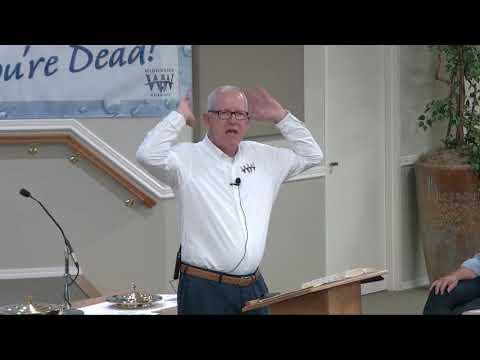
The class opened by reading 1 Thessalonians 4:15‑18, emphasizing Paul’s description of the Lord’s descent, the resurrection of believers, and the subsequent gathering of the living in the clouds. The teacher highlighted that this passage is meant to encourage believers, urging them to view the Second Coming with excitement, not fear. Several common questions about the timing and nature of the event were raised, but the focus shifted to the hope and joy that should characterize the Christian’s anticipation. Using the 1923 hymn “When Jesus Comes,” the teacher extracted four lessons: the reward of hearing Christ’s “well done,” the responsibility to share the gospel so others may inherit the kingdom, the promise of eternal rest found in Hebrews 4, and the need for personal readiness. Scriptural illustrations from Matthew 25:23 and Matthew 25:31‑33 reinforced the ideas of faithful service and being counted among the blessed sheep. The class concluded with a heartfelt reminder that sharing the story of love is essential for ushering others into heaven, and that the ultimate hope is a peaceful, restful eternity with the Lord.
Key Scriptures
For we say this by a word from the Lord. We who are still alive at the Lord's coming will certainly not precede those who have fallen asleep. For the Lord himself will descend from heaven with a shout, with the archangel's voice and with the trumpet of God. And the dead in Christ will rise first. Then we who are still alive, who are left, will be caught up together with them in the clouds to meet the Lord in the air. And so we will always be with the Lord. And then verse 18. He says, therefore, encourage one another with these words.
Well done, good and faithful servant. You were faithful over a few things. I will put you in charge of many things. Share in your master's joy.
When the Son of Man comes in his glory and all the angels with him, he will sit on his glorious throne. All the nations will be gathered before him and he will separate them one from another. Just as a shepherd separates the sheep from the goats. He will put the sheep on his right and the goats on his left.