Sunday Morning Service
Teachers




Lesson Summary
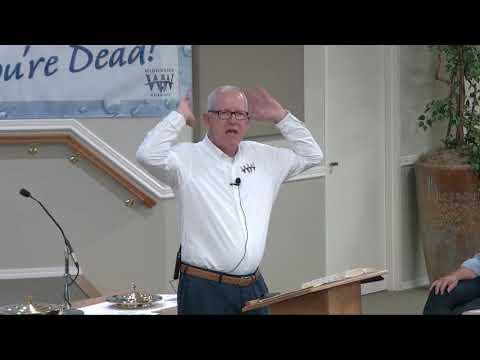
Richard Sutton delivered an Easter Sunday message focusing on John 19:31 and following passages, examining the death, burial, and resurrection of Jesus Christ. The teacher traced Jesus's journey from His trial before Pontius Pilate through His crucifixion at Golgotha, highlighting the physical suffering He endured while bearing the sins of the world. Sutton emphasized how specific details in the Gospel accounts—such as the soldiers not breaking Jesus's legs and the piercing of His side—fulfilled Old Testament prophecies quoted in Scripture. The message then detailed the burial by Joseph of Arimathea and Nicodemus, who prepared His body according to Jewish burial customs and placed it in a new, unused tomb. The teacher concluded by examining the resurrection accounts, particularly from John's Gospel, describing how Mary Magdalene discovered the empty tomb early on the first day of the week and reported it to Peter and the other disciples. Sutton noted that after 45 years of ministry, he had preached 100-200 sermons on the death, burial, and resurrection, but sought this morning to help the congregation understand how the resurrection fits into the larger biblical picture and its incredible significance.
Key Scriptures
Therefore, because it was the preparation day, that the bodies should not remain on the cross on the Sabbath, the Jews asked Pilate that their legs might be broken and that they might be taken away. In other words, they want to hurry their death. Then the soldiers came and broke the legs of the first and of the other who was crucified with him. But when they came to Jesus, they saw that he was already dead. They did not break his legs. But one of the soldiers pierced his side with a spear, and immediately blood and water came out.