Caring for those in need
Teachers



Lesson Summary
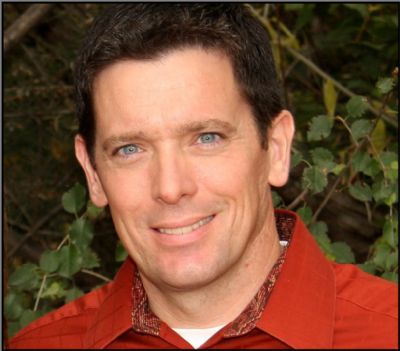
Pastor Richard Sutton opened the class by welcoming newcomers and announcing several community service events, including a food drive for Mountain States and a congregational giveaway. He then shifted to the theological focus of the lesson: the biblical call to care for those in need. Drawing from both the New and Old Testaments, he emphasized Jesus' answer to the lawyer in Matthew 22:36‑40, that loving God and loving our neighbor as ourselves is the greatest commandment. He explained that this love extends beyond evangelism to tangible acts of compassion. The teacher examined Leviticus 19:9‑10, which instructs Israelites to leave the corners of their fields and the fallen grapes for the poor and foreigners, and Deuteronomy 24:21‑22, which affirms the right of the needy to glean what is left after the harvest. He illustrated these commands with personal anecdotes from his early days in Caldwell, Idaho, showing how local farmers practiced gleaning. Throughout, he urged parents to model caring habits for their children, reminding the congregation that caring for the less fortunate reflects God’s own concern for humanity. By the end of the session, members were encouraged to apply these scriptural principles through upcoming service projects, recognizing that practical love fulfills the heart of Christ’s teaching.
Key Scriptures
What is the greatest commandment in the Law? Jesus replied: 'Love the Lord your God with all your heart and with all your soul and with all your mind.' This sums up the Law and the Prophets. The second is: 'Love your neighbor as yourself.'
When you harvest the crops of your land, do not harvest the grain along the edges of your fields, and do not pick up what the harvesters drop. Do not strip every last bunch of grapes from the vines, and do not pick up the grapes that fall to the ground. Leave them for the poor and the foreigners living among you.