Study of 1st John
Teacher
Lesson Summary
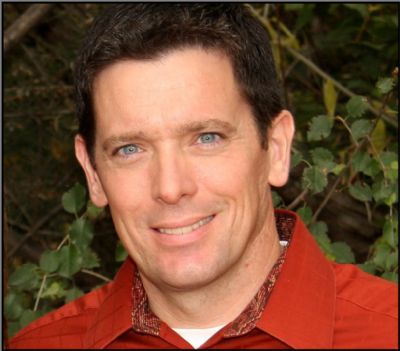
The class began with Teacher Clint Davison asking whether we have the right to forgive offenses on behalf of others, leading into a discussion of how 1 John 3:4‑9 frames sin as lawlessness. He highlighted John’s contrast between those who practice sin and those who are born of God, noting that the passage affirms that those who remain in Christ do not continue sinning. Davison explained the historical context of antinomianism, a first‑century movement that claimed the law was no longer binding for believers, and showed how John’s teachings directly refute that claim by emphasizing a living standard of righteousness. Using personal anecdotes about family gatherings during the pandemic, the teacher illustrated how love can be tested and how Christians are called to love one another while upholding God’s law. He emphasized that Jesus’ purpose was to remove sin and that believers, empowered by the Spirit, should pursue a lifestyle that reflects God’s righteousness. The central message reinforced that genuine love is rooted in obedience and that true believers are distinguished by their refusal to practice lawlessness.
Key Scriptures
Everyone who commits sin practices lawlessness. And sin is lawlessness. You know that he was revealed so that he might take away sins. And there is no sin in him. Everyone who remains in him does not sin. Everyone who sins has not seen him or known him. Children, let no one deceive you. The one who does what is right is righteous, just as he is righteous. The one who commits sin is of the devil. For the devil has sinned from the beginning. The Son of God was revealed for this purpose, to destroy the devil's works. Everyone who has been born of God does not sin because his seed remains in him. And no one who is born of God practices sin, because God's seed remains in him, and he cannot sin because he is born of God.