Saul
Teachers


Lesson Summary
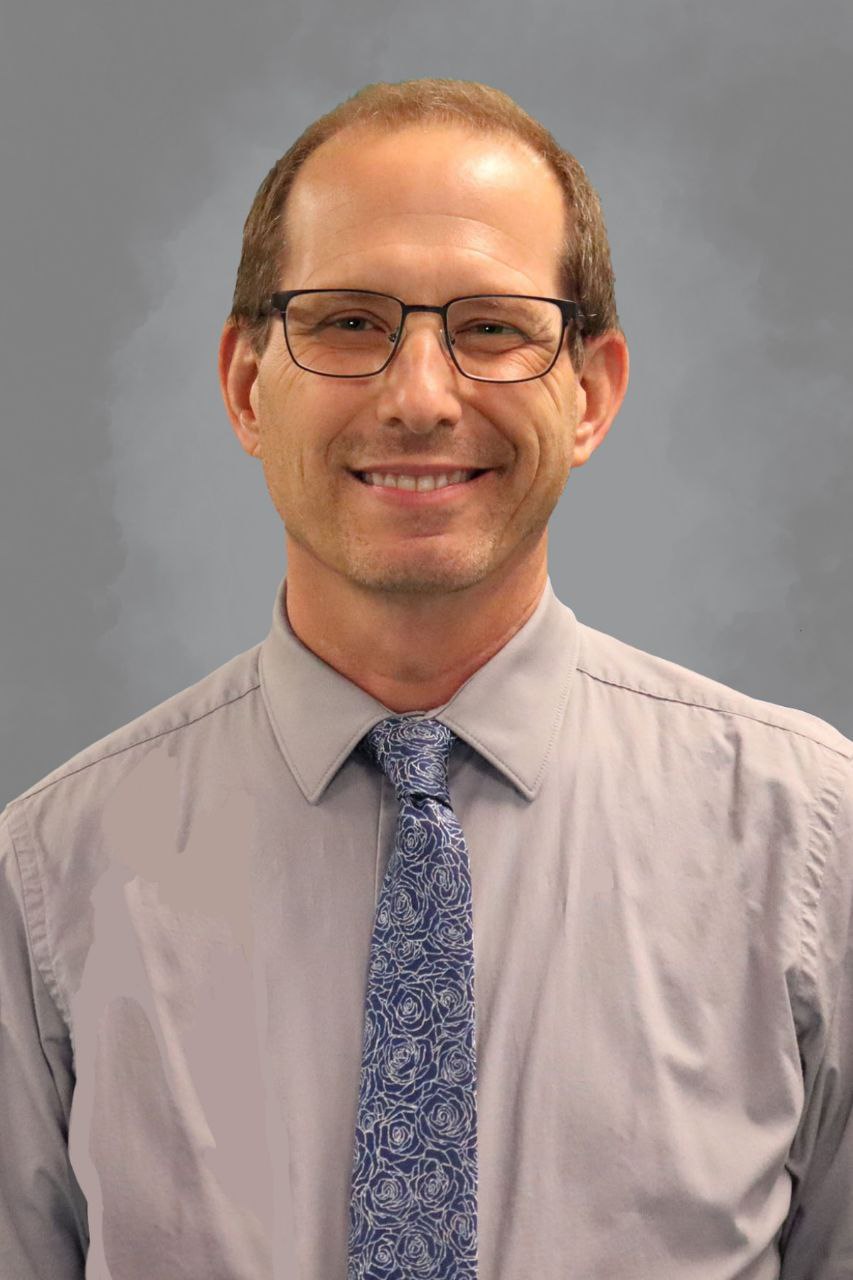
The class began with a series of personal anecdotes about winter driving hazards, which served as a relatable illustration of feeling lost and vulnerable. Jeremy Havlik then shifted focus to the biblical narrative of Saul’s conversion, using a mash‑up of details from Acts 9, 22, and 26 to present a vivid picture of the moment Saul encountered the risen Christ on the road to Damascus. He explained how Saul, a fierce persecutor of the church, was blinded by a heavenly light and heard the voice of Jesus asking, “Saul, why do you persecute me?” This encounter led to three days of blindness, fasting, and ultimately a call to obedience through the disciple Ananias. The teaching emphasized that God can dramatically intervene in anyone’s life, turning even the most hostile intentions into a purpose‑driven mission. By comparing the sudden, blinding light to the unexpected dangers of icy roads, Jeremy helped the congregation see how divine revelation can redirect a life’s direction. The class concluded with a call to trust God’s timing, respond obediently, and share the transformation that comes from truly seeing Christ.
Key Scriptures
Saul was still breathing threats and murder against the disciples of the Lord. He went to the high priest and asked for letters to the synagogues at Damascus, so that if he found any belonging to the way, men or women, he might bring them bound to Jerusalem. And as he journeyed, he approached Damascus, and suddenly a light from heaven flashed around him. He fell to the ground and heard a voice saying to him, 'Saul, Saul, why do you persecute me?' And he said, 'Who are you, Lord?' And he said, 'I am Jesus whom you are persecuting.'
There was a disciple named Ananias. The Lord called to him in a vision, 'Ananias.' And he answered, 'Here I am, Lord.' And the Lord said to him, 'Go to the house of Judas on Straight Street, and ask for a man from Tarsus named Saul. For he is praying, and he has seen in a vision a man named Ananias coming in and laying his hands on him, that he might receive his sight.'