Sunday Evening Service
Teachers






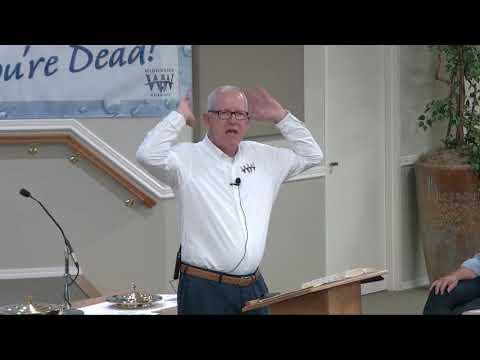
Lesson Summary
The class explored the Book of Esther, presenting it as a fast‑moving narrative filled with intrigue, power struggles, and divine providence despite God’s name never appearing in the text. The teacher traced the historical setting from the Babylonian exile to the Persian empire, explaining how the Jews dispersed across continents and faced the existential threat posed by Haman’s edict, a situation likened to the Holocaust. Emphasis was placed on the concept of providence, defining it as God’s superintending activity that guides human actions toward His ultimate redemption plan, a theme rooted from Genesis 12 through John 5:17 and culminating in the New Testament’s promise of salvation for all peoples. The lesson underscored that Esther’s story is a parable for modern believers, illustrating how God often works behind the scenes, especially in moments that seem silent or chaotic. References to Esther 4:14 highlighted Mordecai’s insight that Esther’s queenly position was appointed for a divine purpose. The teacher connected these ancient events to contemporary experiences of persecution and encouraged the congregation to recognize God’s fingerprints in daily coincidences, trusting that He remains active in guiding history toward His final, glorious goal.
Key Scriptures
For if you remain silent at this time, relief and deliverance for the Jews will rise elsewhere, but you and your father’s family will be destroyed. And who knows but that you have come to your royal position for such a time as this?
My Father is working until now, and I am working.