Lectureship - Restoring Our Passion for the Lost — Neal Pollard
Teachers
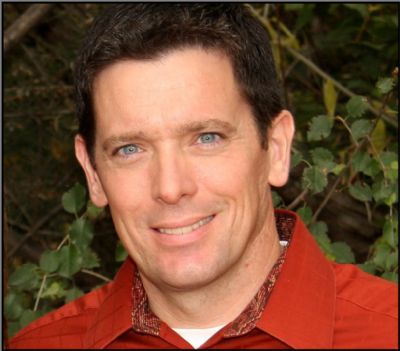


Lesson Summary
The class centered on the biblical concept of moral excellence, emphasizing that true virtue arises from a heart transformed by God's Word. The teacher referenced Psalm 119:105 to illustrate Scripture as a guiding lamp, then examined 2 Peter 1:3‑6, showing how divine power provides everything needed for godliness and how believers can partake in the divine nature by escaping worldly corruption. He connected this to Paul’s exhortation in Philippians 4:8 to dwell on whatever is true, noble, right, pure, lovely, and excellent, defining “dwelling” as a deliberate, calculated process that leads to action. Building on this foundation, the teacher highlighted Jesus’ call in Matthew 5:48 to be perfect as the Father, and the example of truthful teaching in Matthew 22:16, underscoring truthfulness as a key facet of moral virtue. He argued that societal moral decline—evident in issues like abortion, gambling, and a loss of biblical influence in law—reflects a removal of spiritual landmarks, urging believers to anchor themselves in Scripture and pursue the six qualities Paul lists, beginning with truthfulness, to restore moral excellence in their lives, families, and communities.
Key Scriptures
According as his divine power has given unto us everything we need for life and godliness through the knowledge of him who called us by his own glory and virtue; whereby we might be partakers of the divine nature, having escaped the corruption that is in the world through lust.
Finally, brethren, whatsoever things are true, whatsoever things are honourable, whatsoever things are just, whatsoever things are pure, whatsoever things are lovely, whatsoever things are of good report; if there be any virtue, and if there be any praise, think on these things.