Church History
Teachers




Lesson Summary
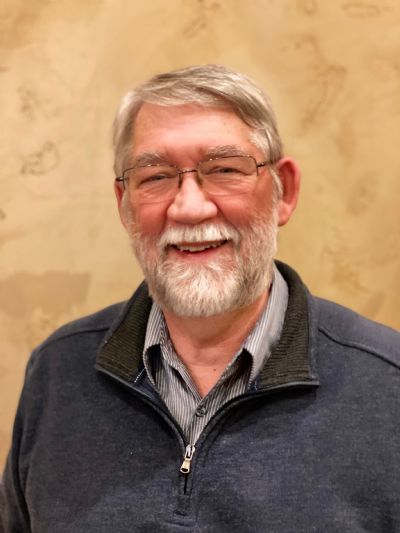
The class examined the structure and practices of the first‑century Christian church, emphasizing its autonomous nature and the absence of a formal clergy‑laity hierarchy. Art Clark explained that early believers appointed elders and deacons based on biblical qualifications, focusing on humility, obedience, and service rather than external titles or elaborate vestments. Scripture references such as Matthew 23:5‑27, Galatians 3:28, and 1 Corinthians 3:6‑9 illustrated the New Testament's preference for servant leadership and the unity of all believers in Christ. The lesson then contrasted this biblical pattern with four contemporary models of church government—episcopal, connexional, presbyterian, and congregational—highlighting that the congregational approach, in which each local assembly selects its own leaders, most closely mirrors the New Testament example. The class concluded with a discussion on the Spirit’s role in appointing elders (Acts 20:28) and affirmed the church’s freedom from fixed worship sites or hierarchical oversight, underscoring the relevance of these principles for Linder Road Church of Christ today.
Key Scriptures
but they do all their deeds to be noticed by men, for they broaden their phylacteries and lengthen the tassels of their garments
Woe to you, scribes and Pharisees, hypocrites! For you are like whitewashed tombs, which on the outside appear beautiful, but inside they are full of dead men's bones and all uncleanness.
I planted, Apollos watered, but God gave the growth. So neither the one who plants nor the one who waters is anything, but only God who gives the growth. The one who plants and the one who waters are one, and each will receive his wages according to his labor. For we are God's fellow workers; you are God's field, God's building.