James How to Book
Teachers

Lesson Summary
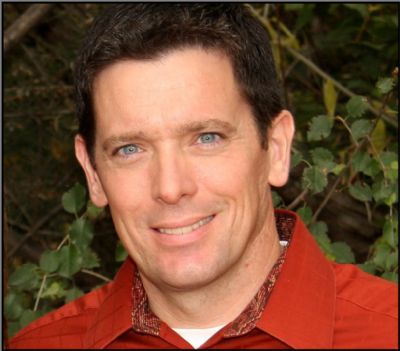
In this class on James chapter 2, Dan Allegood taught about God's command to show no favoritism within the Christian community. The teacher began by establishing that James chapter 2 continues the discussion of pure and undefiled religion from James 1:26-27, which calls believers to care for widows and orphans—the vulnerable in society. He then walked through the vivid scenario in James 2:1-13, where believers are condemned for seating a wealthy person in a place of honor while telling a poor person to stand or sit on the floor. This discrimination reveals an evil heart and violates the royal law to love your neighbor as yourself. Dan emphasized that favoritism is rooted in three primary causes: pride (looking down on others based on education or status), external focus (valuing man's opinion over God's), and desire for praise (seeking recognition for our actions). He illustrated how partiality has plagued human history—from slavery and voting restrictions to religious prejudice in Jesus's time, when Jewish leaders despised Samaritans, tax collectors, women, and gentiles. Even Peter fell into this trap when he withdrew from eating with gentiles after Judaizers arrived. The class culminated with James 2:14-26, where the teacher emphasized that faith without deeds is dead. Using examples of Abraham and Rahab, James demonstrates that true faith produces action. The teaching underscored that believers must be merciful rather than judgmental, since mercy triumphs over judgment, and that Christians must speak and act as those destined to be judged by the law of freedom.
Key Scriptures
My brothers, as believers in our Lord Jesus Christ, don't show favoritism. Suppose a man comes into your meeting wearing a gold ring and fine clothes, and a poor man in shabby clothes also comes in. If you show special attention to the man wearing fine clothes and say, 'Here's a good seat for you,' but say to the poor man, 'You stand here, and you can't sit with the rest of us,' have you not discriminated among yourselves and become judges with evil thoughts?
What good is it, my brothers, if someone says they have faith but have no deeds? Can such faith save them? Suppose a brother or sister is without clothes and daily food. If one of you says to them, 'Go in peace; keep warm and eat well,' but does nothing about their physical needs, what good is that? In the same way, faith by itself, if it is not accompanied by actions, is dead. But someone will say, 'You have faith, I have deeds.' Show me your faith without deeds, and I will show you my faith by my deeds. You believe that there is one God. Good! Even the demons believe that and shudder. You foolish person, do you want evidence that faith without deeds is useless? Was not our ancestor Abraham considered righteous for what he did when he offered his son Isaac on the altar? You see that his faith and his actions were working together, and his faith was made complete by what he did. And the Scripture was fulfilled that says, 'Abraham believed God, and it was credited to him as righteousness.' And he was called God's friend. You see that a person is justified by what they do and not by faith alone.
In the same way, was not even Rahab the prostitute considered righteous for what she did when she gave lodging to the spies and sent them off in a different direction? As the body without the spirit is dead, so faith without deeds is dead.